July 2026
Welcome to this glorious, dreamy and abundant July. Summer foods capture the sunlight, the colours and freshness of the season, don’t they? Incredible salads, luscious fruit and veg., all in season. These are light foods, providing water and nutrients, dripping with flavour at every bite and so easy to prepare. A gift from the earth to mankind.
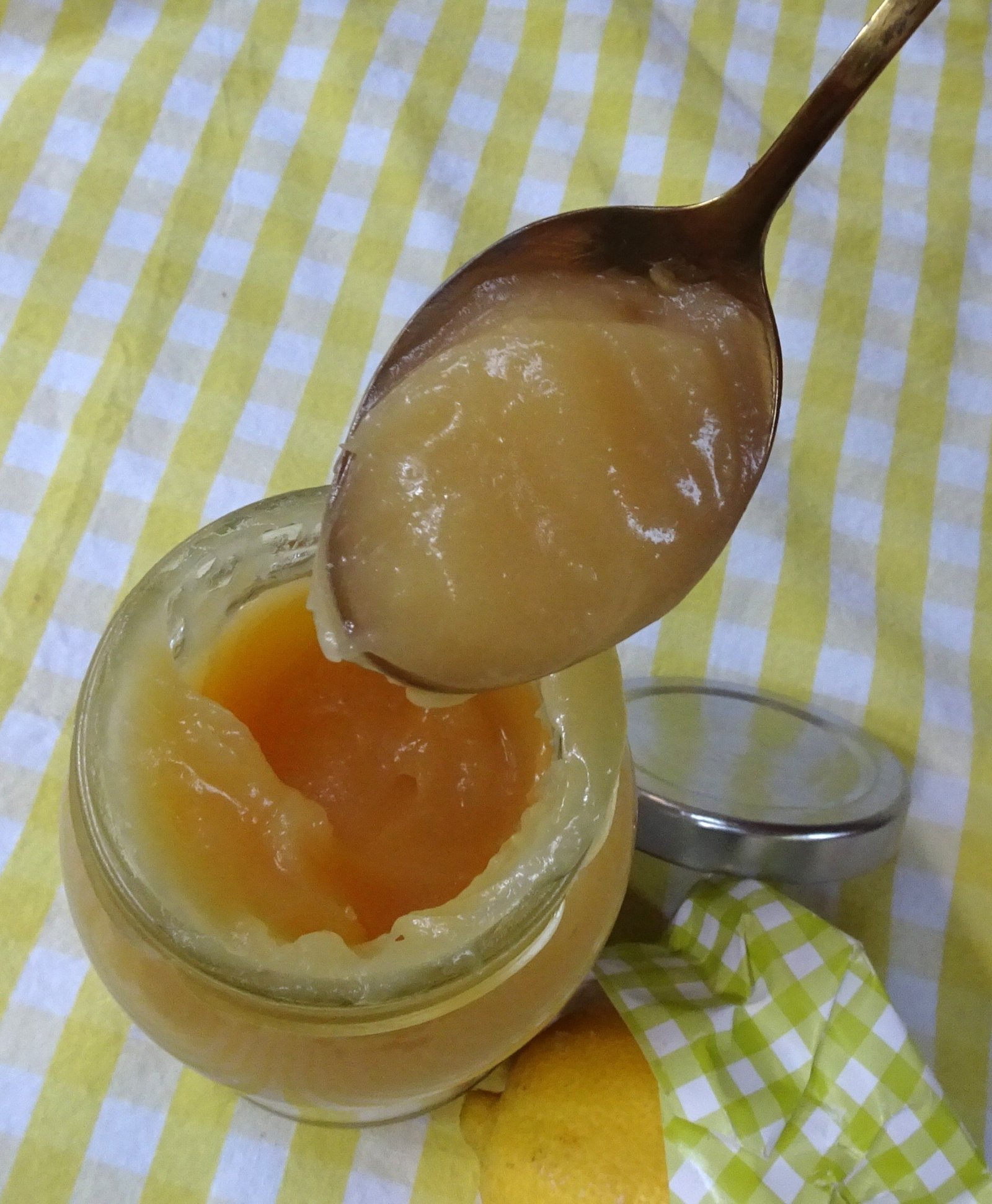
Take courgettes, for example, marrows and squashes. All part of the same genus, known as ‘cucurbits’ (isn’t that a great word?) AKA part of the gourd family. This has been one of our best summers ever, for this crop. We planted lots of different types of courgettes, some of which have already been sent out in our veg boxes and squashes, too; both are fantastically versatile. Baked whole, for example, or courgettes grated raw in salads, grilled on the barbeque or thin slices of squash, grilled with a marinade … but let a courgette grow to its full size and it becomes a marrow. Then what? Well, that’s the ideal time to turn it into a sweet, summery, delicious marrow lemon curd of course! Ever tried it? Perfect for puddings, as a spread or stirred into ice cream.
Here’s what you’ll need :
One large marrow
3 large lemons
2 lb sugar
Sterilised jars with lids, for storing (that’s if it isn’t all eaten immediately, which is possible).
Method:
- Remove the skin and all seeds from the marrow and cut into small chunks.
- Steam the marrow, until it has mushy texture.
- Then, blend the chunks until smooth and creamy; no water or other liquid is necessary as marrows naturally contain water and after a while, you’ll see the mixture produces its own juices.
- Strain this off until there is no fluid left at all – this is really important, to enable the curd to set (and also why it should be steamed and not cooked in water).
- Transfer to a saucepan, adding the sugar and juice of the lemons.
- Mix the ingredients together, heating it slowly until the sugar has dissolved and let it gently come to the boil. Keep stirring constantly until it thickens, like jam.
- Once it has a jam-like texture, put the curd into warm jars; when the mixture has completely cooled, you can store the curd in the fridge. It should be eaten within one week (tip: BBC Food, among other sources, has guides on sterilising jars and filling them, while still warm).
…but did you know? Courgettes/marrows, etc. are simply overflowing with nutrients. They’re a great source of vitamins A, C, magnesium and natural folate (as opposed to synthetic Folic Acid, which not everyone can tolerate, which is worth checking) among many other things – and not forgetting sunshine! Of course, what you could do, is while the curd is still slightly warm, spread it onto some really fresh, crusty organic bread. Delicious. Enjoy.